


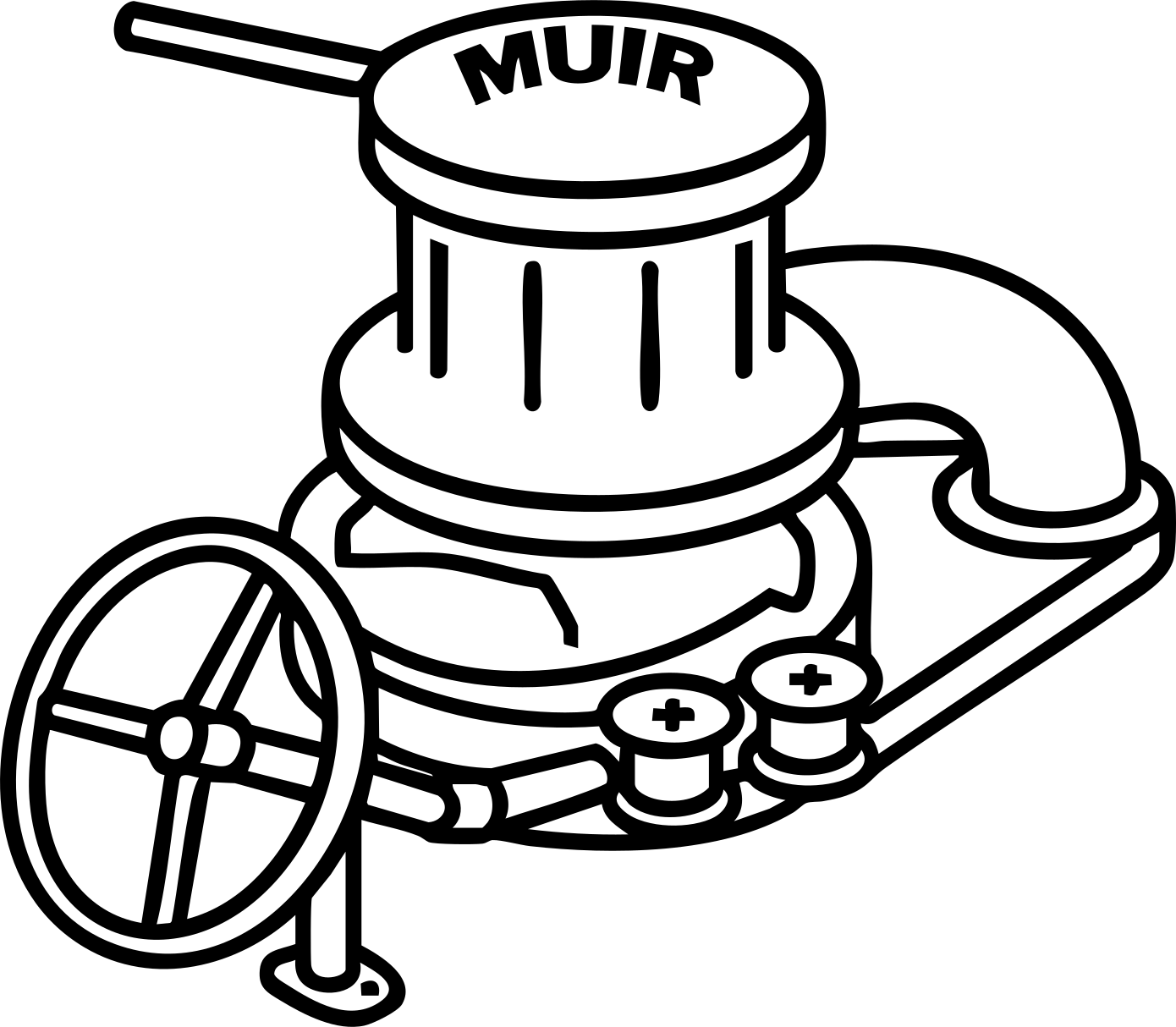



Winch Safety and Anchoring Guidelines
Safety at sea begins with proper equipment and correct anchoring technique. The following Muir safety guidelines outline best practices for operating your windlass and anchor system, ensuring reliable performance and safe anchoring in all conditions. Whether you’re a first-time user or an experienced skipper, these universal recommendations will help protect your vessel and gear while maintaining smooth, trouble-free operation of your Muir anchoring system.
Safety begins with proper windlass selection and installation. A correctly specified and installed Muir anchor winch will provide years of reliable, trouble-free performance. If in doubt about windlass selection, refer to the Product Information section or visit the Find Us page to contact your nearest Muir dealer or service agent.
Safety Tips and Guidelines
- Ensure the windlass is correctly specified and installed.
- Always use a chain stopper of the appropriate size in conjunction with the windlass.
- Run the boat’s engine while raising or lowering the anchor to reduce battery drain and improve safety.
- Motor toward the anchor when retrieving the rode—never use the windlass to pull the boat forward.
- If the anchor is fouled, do not use the windlass to break it free. With the chain stopper taking the load, use the boat’s engine to dislodge it.
- Never use the windlass as a bollard. Always engage a chain stopper, cleat, or bollard after anchoring to prevent gearbox or shaft damage.
- In heavy weather, use a snubber line or heavy stop from the chain directly to a bollard or fixed cleat.
- Never use the windlass or chain stopper as a mooring point.
- Always switch the isolator “OFF” before leaving the vessel.
- Do not change windlass direction (up/down) without allowing it to come to a complete stop first.
- Do not rely on the windlass